
Certified, sworn or court translation?
In Bosnia and Herzegovina these terms describe the same service. Locally it is called "ovjereni prijevod" or "sudski prijevod", and the translator is a "stalni sudski tumač" (permanent court translator). Elsewhere you may see "sworn translator" or "certified translator".
Who may certify a translation?
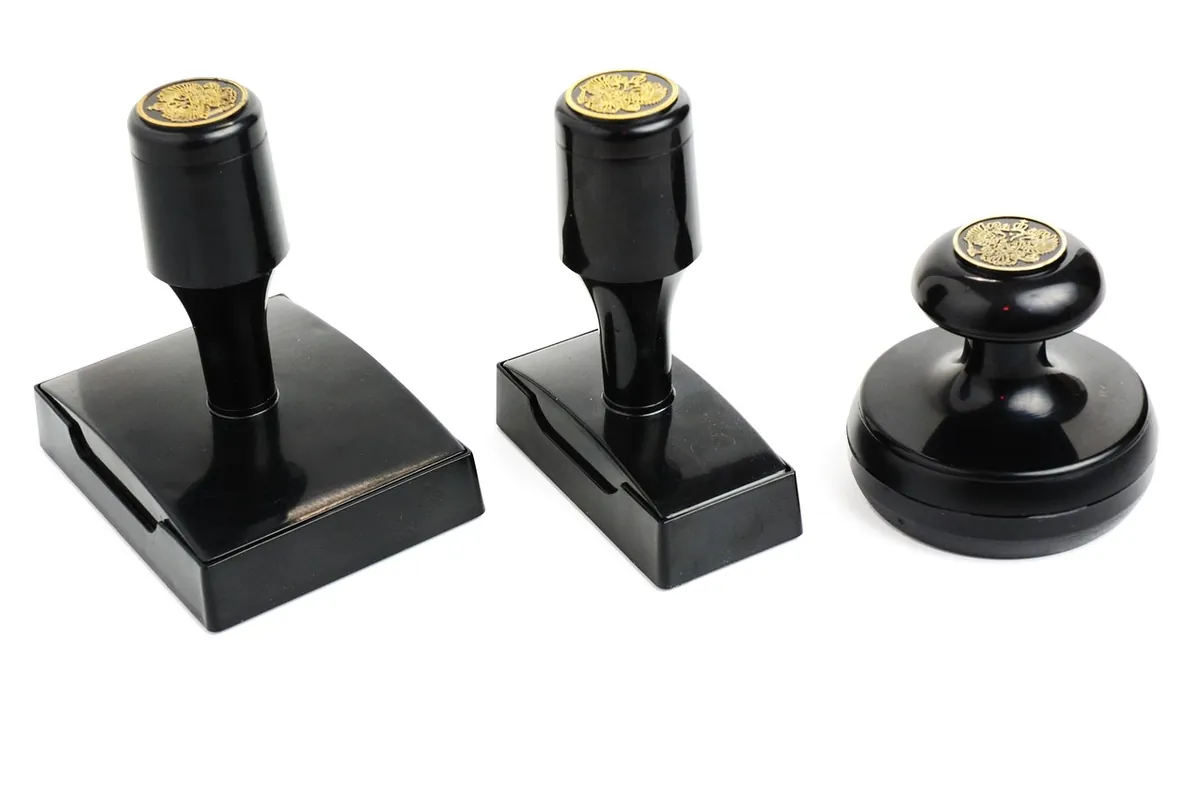
Only a permanent court translator, and only for the language they are appointed for. In the Federation of BiH, court translators are appointed by the competent ministry, and the translator’s seal shows their name and language.
A translator who is not a court translator can translate a document, but that translation is not certified, and most institutions will not accept it in an official procedure.
What does a certified translation look like?
The translation is bound to the original document or a copy of it, so the institution sees both as one unit. At the end there is the court translator’s statement that the translation matches the original, with their signature and seal.
Everything on the document is translated: text, stamps, signatures and notes. Names are written exactly as in the original.
When do you need a certified translation and when an ordinary one?
Certified translations are usually required by embassies, courts, registry offices, universities, banks and employers abroad.
An ordinary translation is enough for understanding a text, internal correspondence, a website or marketing.
If you are not sure, ask the institution or send us their requirements.
Important: the rules depend on the country and the institution you submit the document to. This text is a general explanation; for your case, check the institution’s requirements or send them to us.
Official sources
What to send us
- A legible photo or scan of every page of the document (and the back, if it carries a stamp or text)
- The language you are translating from and into
- Who the translation is for: embassy, university, court, employer, an institution abroad
- Whether that institution requires a certified translation (if you are not sure, say so and we will help)
- When you need the finished translation and how you would like to receive it
Frequently asked questions
Is a sworn translation the same as a certified translation?
In Bosnia and Herzegovina, yes. Both terms describe a translation certified by a permanent court translator.
Can a notary certify a translation?
A notary certifies signatures and copies. The accuracy of a translation is confirmed by a court translator.
Is a certified translation valid abroad?
It depends on the country and the institution. Sometimes an apostille is also required. Check the institution’s requirements before you order the translation.
Other questions
- Power of attorney from abroad: do you need a translation and an apostille?
- Using foreign documents in Bosnia and Herzegovina
- Diploma recognition in Bosnia and Herzegovina: what needs translating
- Translating documents into German for work in Germany and Austria
- Apostille or legalisation: which do you need?